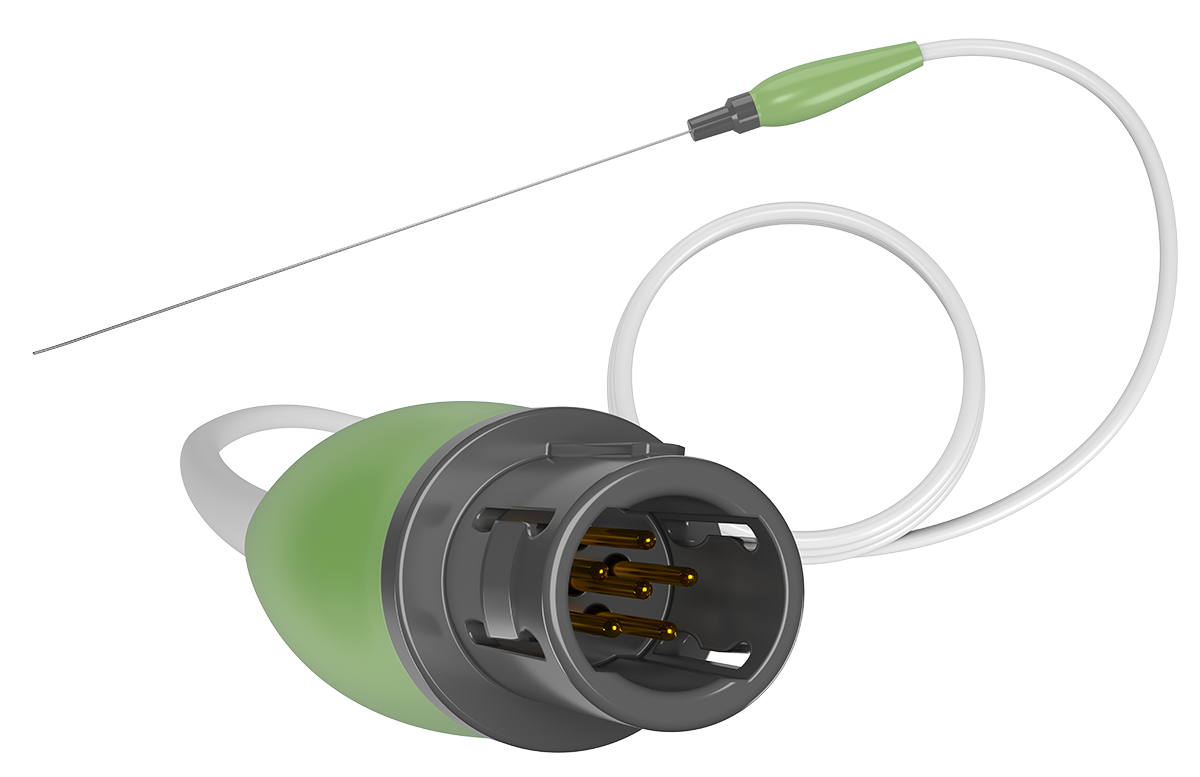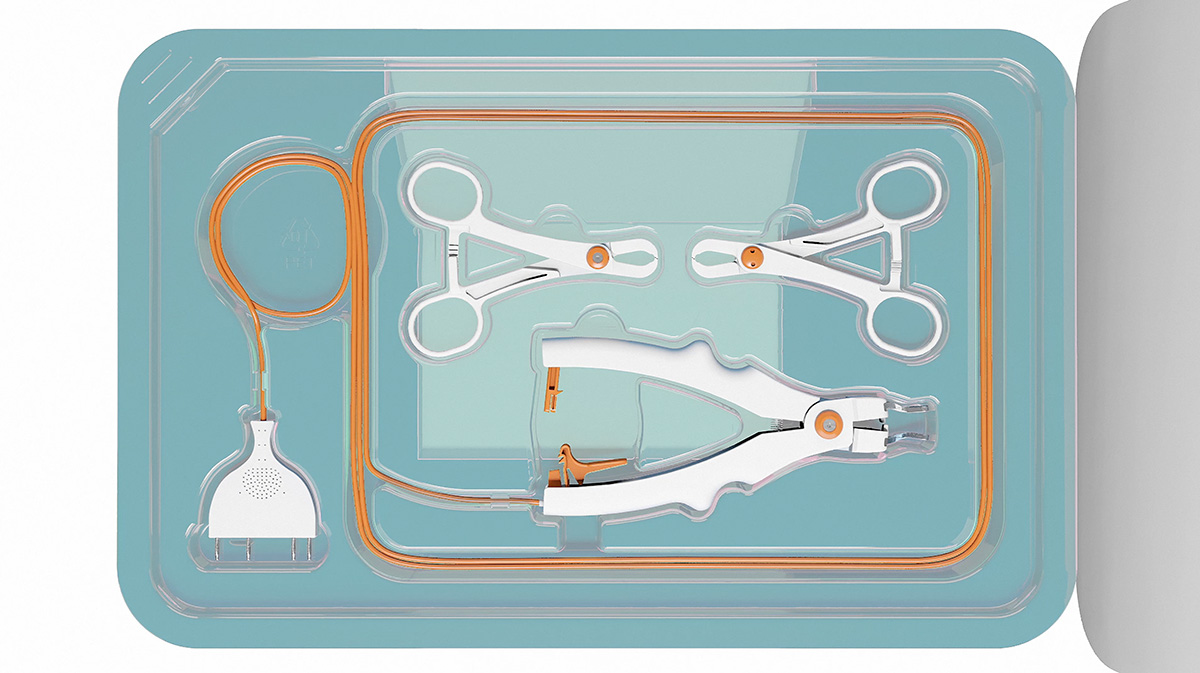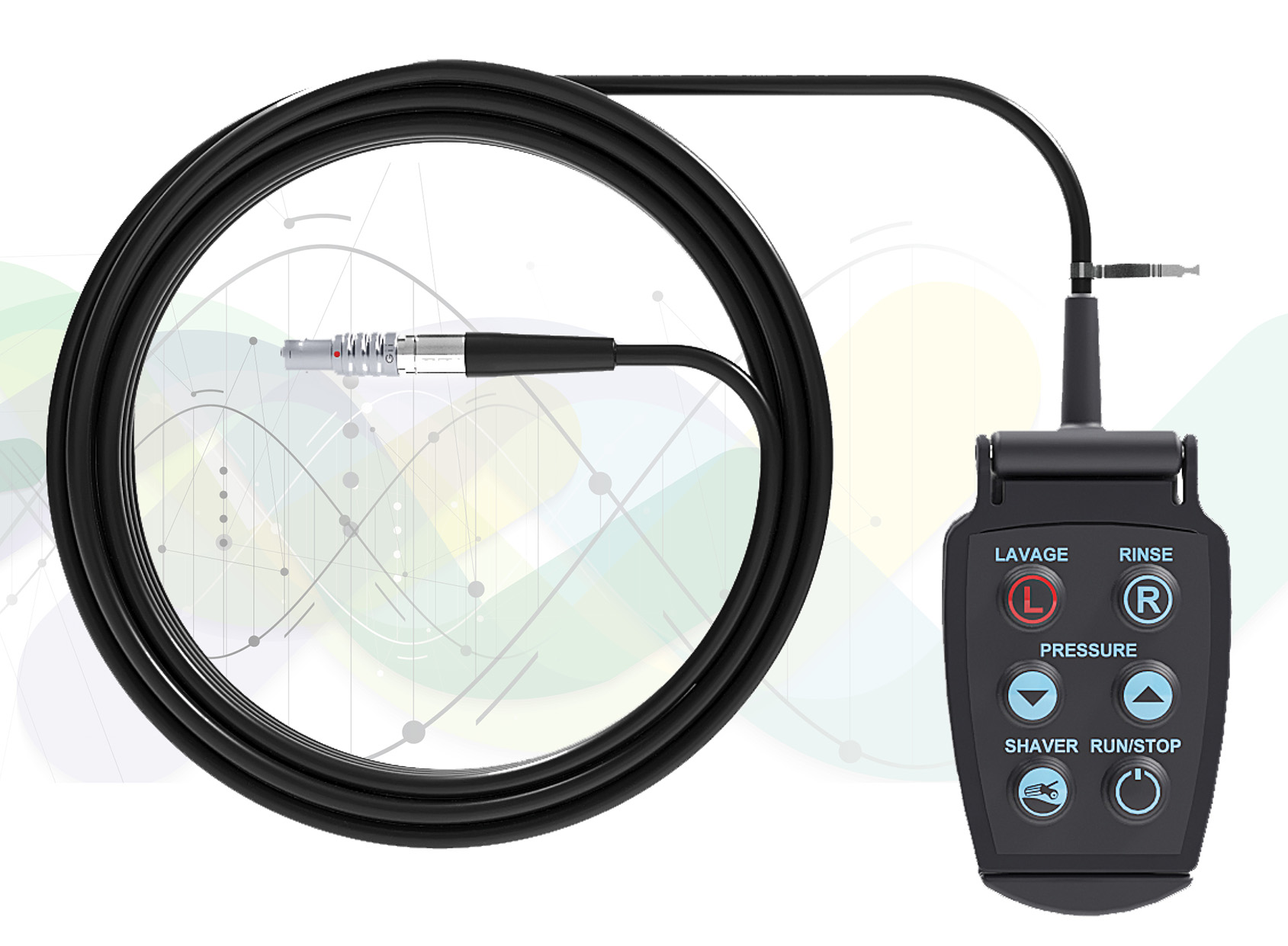
Accelerating Clinical Trials for a Vascular Care Medical Device Company
A vascular care OEM faced a 22-week lead time that threatened its clinical trial timeline. See how Gii cut that lead time and kept the trial on schedule.
Practical cable and connector engineering from the Gii team — the questions OEM engineers and sourcing teams ask us most.
A vascular care OEM faced a 22-week lead time that threatened its clinical trial timeline. See how Gii cut that lead time and kept the trial on schedule.
How optimized designs, cost reduction, and collaborative manufacturing streamline medical device development.
A custom connector solution that enabled a leading orthopedics OEM to scale production while hitting aggressive cost targets and maintaining zero-defect quality standards.
In the medical device industry, custom-engineered connectors and cable assemblies are crucial to ensuring reliability, regulatory compliance, and cost efficiency across energy-based and diagnostic applications.
Single-use or reusable? Locking or non-locking? This step-by-step guide walks through the key decision factors for selecting the right medical connector for your device.
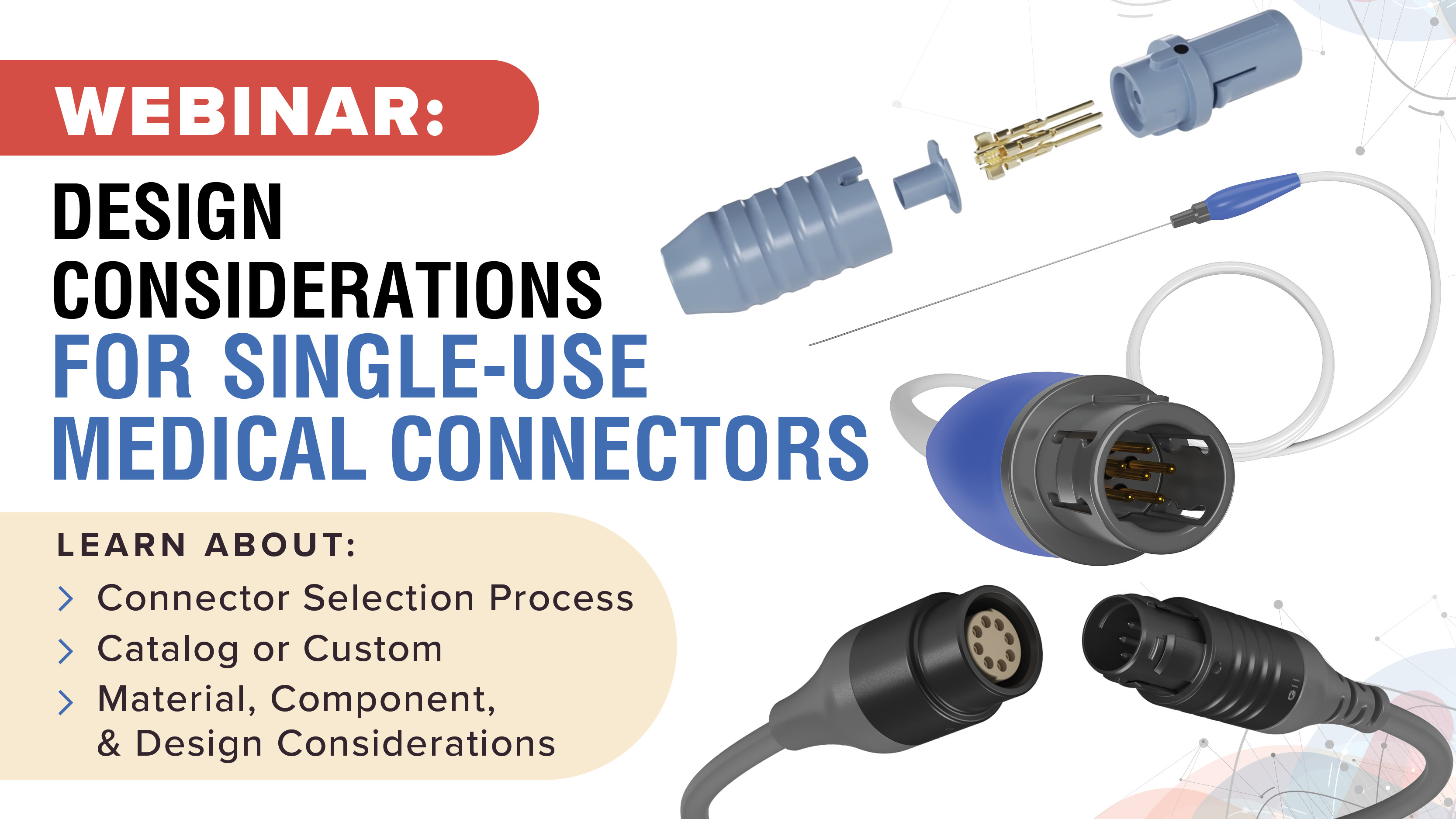
Key engineering factors when designing connectors for single-use applications — from materials selection to validation. Covers biocompatibility, sterilization compatibility, and cost drivers.
A comprehensive look at medical cable assembly construction, materials, performance requirements, and the reusable vs. disposable decision framework.
A summary of key engineering and design principles for single-use connector development, drawn from Gii's technical webinar — covering materials, testing, validation, and cost drivers.
Manufacturing transfers are complex but essential for scaling. This guide covers regulatory, supply chain, process, and quality considerations when moving production to a new partner.
A case study exploring how Global Interconnect partnered with an OEM to develop a reusable surgical device assembly — navigating complex engineering, quality, and supply chain challenges to deliver a production-ready solution.
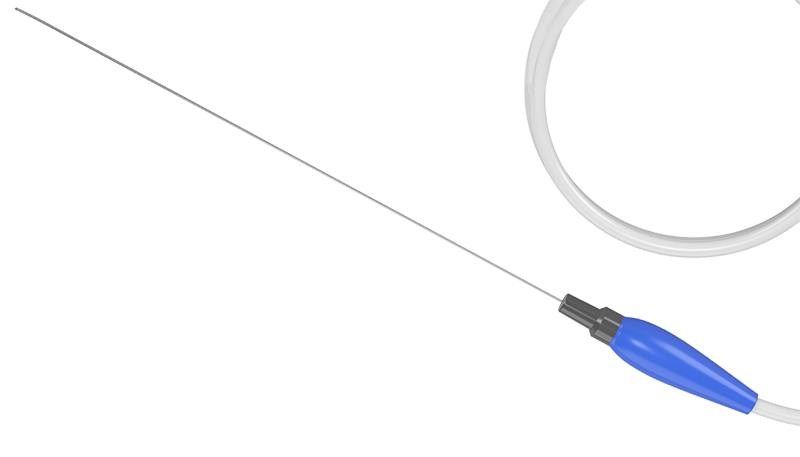
Reusable radiofrequency ablation probes were once the standard for pain management — but the market is shifting to single-use. What that means for cable and connector design, validation, and cost.
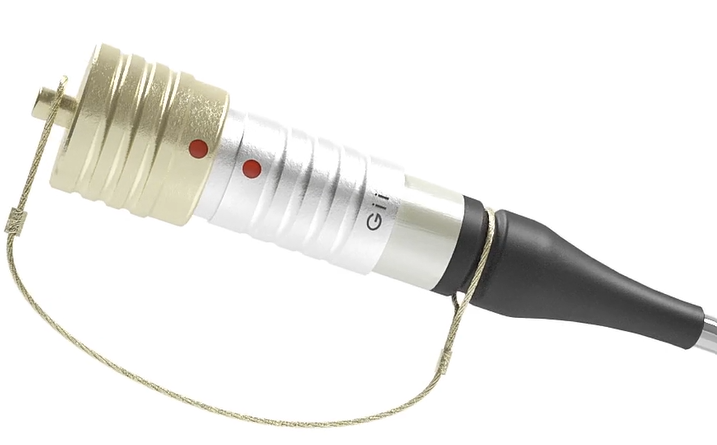
Reusable medical connectors require premium materials, advanced designs, and complex sterilization compatibility. This whitepaper covers the key engineering decisions — from contact design to cleaning cycle durability.
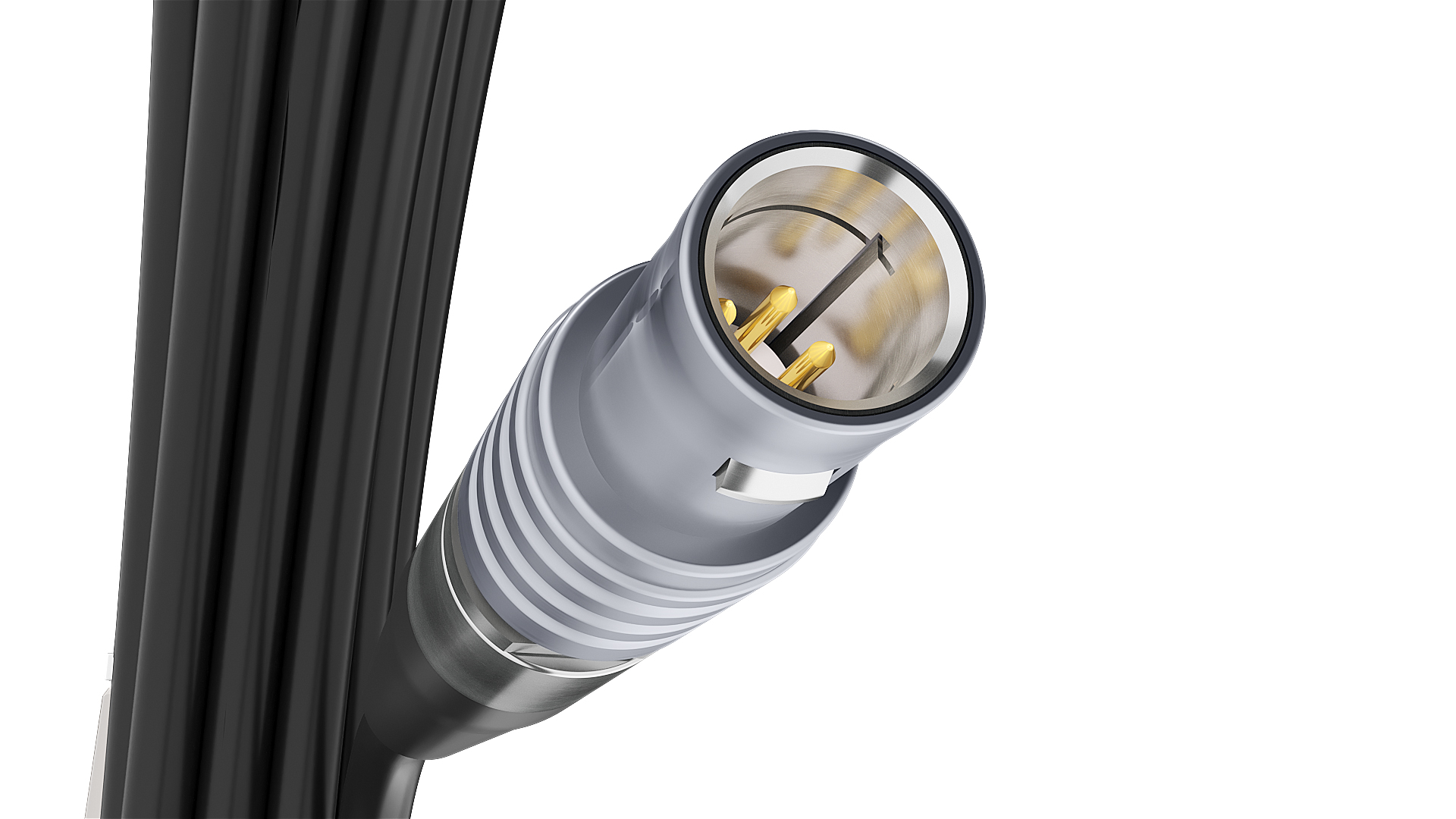
A technical overview of push-pull connector systems used in medical devices — how they work, industry standards, and when to consider purpose-built alternatives.
When off-the-shelf connectors fall short, custom connectors can improve human factors, reduce lead times, and differentiate your product in the market.
A deep-dive into RF ablation connector design options — from overmolded banana plugs to push-pull configurations — and how to optimize for cost without sacrificing reliability.
A company was stuck with a supplier unwilling to customize an off-the-shelf push-pull connector. Gii engineered a purpose-built replacement — better performance, lower cost, and no supply chain dependency on an uncooperative vendor.
Material selection is one of the most consequential decisions in cable assembly design. A guide to jacket materials, insulation compounds, shielding options, and biocompatibility requirements for medical applications.
Braided cable sleeves and extruded cables are two distinct construction approaches with different performance, cost, and design implications. A practical comparison to help OEMs make the right choice for their application.
Human factors and usability engineering continue to be a key FDA focus for new medical device submissions. How cable and connector design decisions affect usability — and how to design for them from the start.
A practical primer on electrical connector and contact theory — covering contact resistance, normal force, mating cycles, plating, and the mechanical principles that determine real-world connector reliability.
An honest technical look at push-pull connector systems for medical devices — what they do well, where they're overused, and how purpose-built alternatives can deliver the same clinical performance at significantly lower cost.
The world of flexible plastic compounds for disposable medical devices is vast. A breakdown of PVC formulations, their performance characteristics, biocompatibility considerations, and where they fit in cable jacket and overmold applications.
Talk to our engineering team about your project or specific technical needs.
Contact Our Engineers →