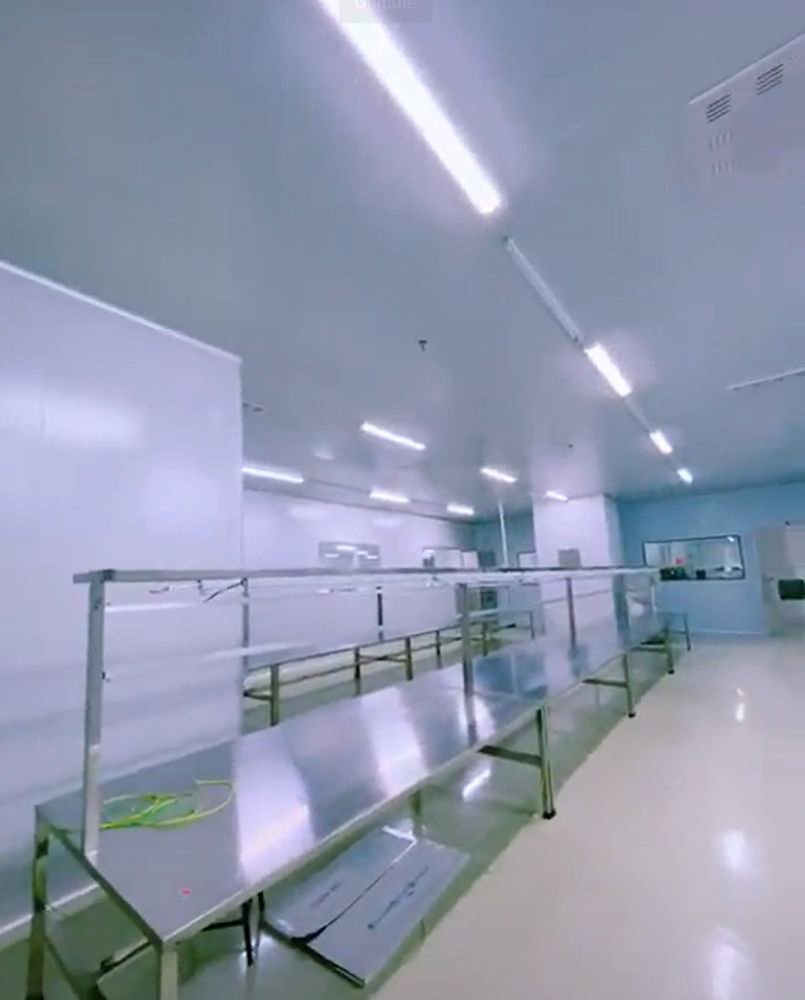
Bring Us In at the Start of a New Program
Too many OEMs treat the cable and connector as an afterthought — something to source once the device is designed. By then, connector choices, materials, and routing are locked in, and every compromise shows up later as cost, schedule slips, or reliability problems. Engage Gii early and our engineers help define the interconnect while it’s still easy to get right.
Sounds like you if…
- You’re at concept or early development and the interconnect isn’t defined yet
- Your team is strong on the device, less so on cable and connector design
- You want manufacturability designed in, not fixed later
- You need a partner who’ll still be there at volume production
How Gii helps
- Requirements definition for the cable and connector
- Custom connector design or build-to-print — whichever fits
- DFM reviews before design freeze
- US-based engineering and rapid prototyping
- A single team from prototype through volume production
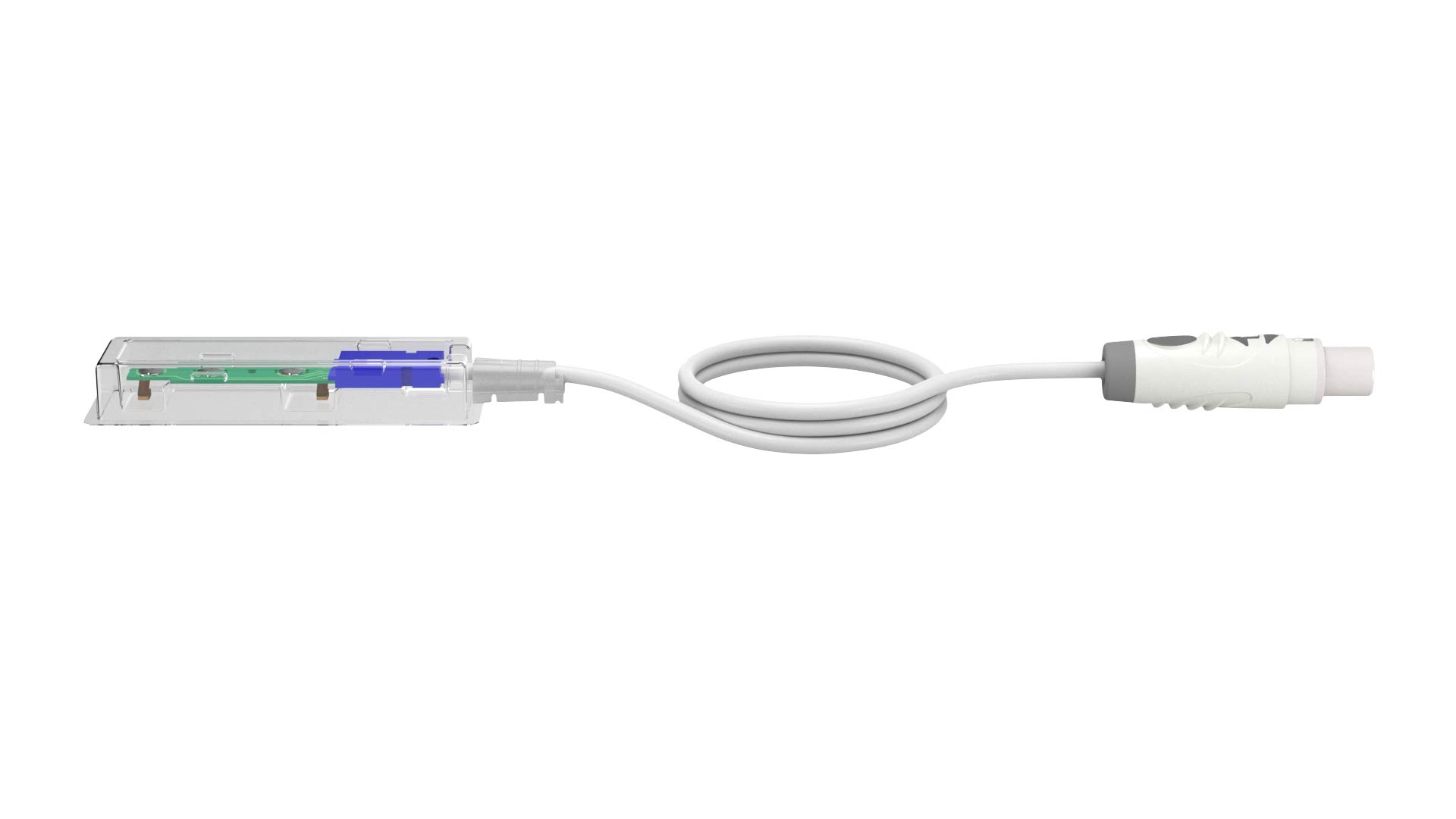
Design a Connector When Nothing Off-the-Shelf Fits
Energy-based devices push interconnects hard — high voltage, tight profiles, sterilization, and single-use economics. When a branded catalog connector can’t meet your requirements or your cost target, Gii’s engineers design one that does.
Sounds like you if…
- Catalog connectors force compromises on size, voltage, or mating
- You’re building an RF, PFA, cryo, or electrosurgical system
- You need single-use economics without sacrificing performance
- You want a proprietary interface for your system
How Gii helps
- Push-pull, locking, non-locking, and breakaway designs
- 1–30+ contacts, high-voltage rated per IEC 60601
- Biocompatible materials and custom overmolded housings
- Single-use and reusable options
- Fully proprietary architectures
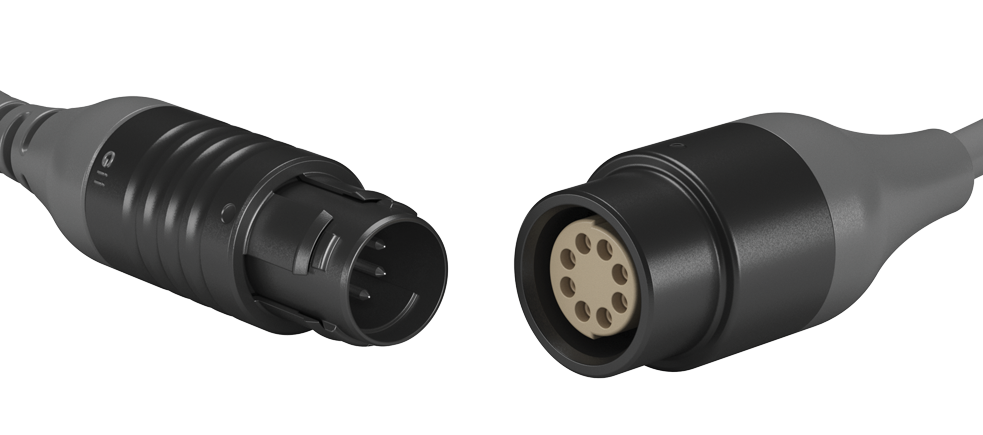
Get to Design Freeze With Fewer Surprises
Late changes are where programs lose months. Gii reviews your interconnect for manufacturability, compliance, and documentation before design freeze — so verification, validation, and your regulatory file aren’t waiting on the cable.
Sounds like you if…
- Design freeze is coming and the interconnect still has open questions
- Your quality team needs traceability and documentation it can rely on
- Your device must meet IEC 60601 electrical safety requirements
- You’ve been burned by late-stage supplier changes before
How Gii helps
- DFM and material review before freeze
- Prototypes and first articles built, tested, and validated
- Process capability studies and 100% electrical test
- DHR/DHF documentation built to support your submissions
- Change control that doesn’t slow production
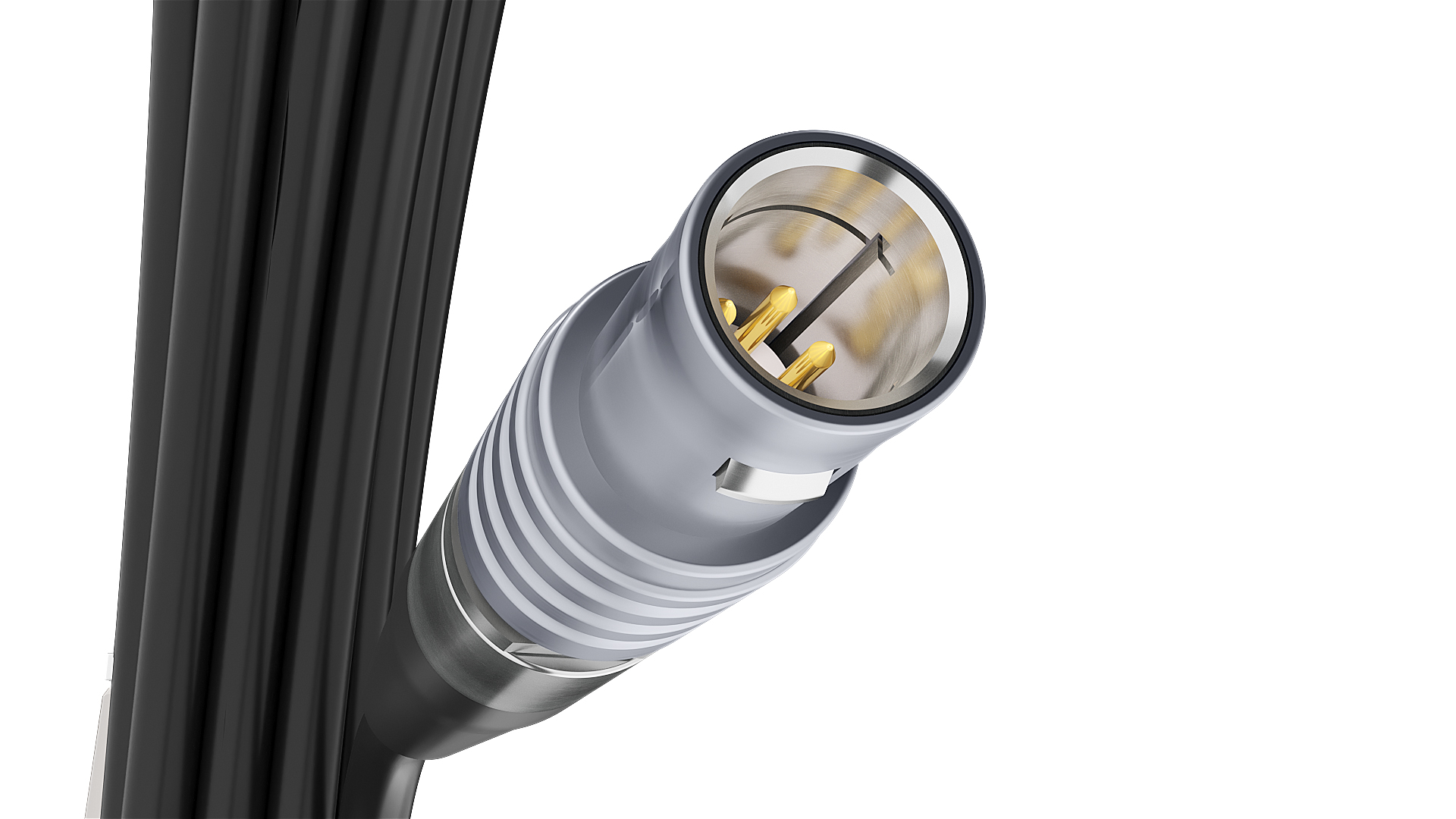
Move From Prototype to Production Without Starting Over
The riskiest moment for a new device is the jump from prototypes to volume. With Gii, the team that engineered your interconnect is the team that builds it — with production at our nearshore facility in Heredia, Costa Rica or our manufacturing operations in Asia, matched to your volume and risk profile.
Sounds like you if…
- Your prototypes work and volumes are coming
- You don’t want to re-qualify a new supplier after design
- You need a clear path from low volume to high volume
- Your launch timeline can’t absorb a hand-off
How Gii helps
- Production ramp at the right facility for your program
- Qualification and first-article inspection
- Nearshore in Heredia: same time zone, audit-accessible
- High-volume manufacturing in Asia when scale demands it
- Continuous improvement as volumes climb
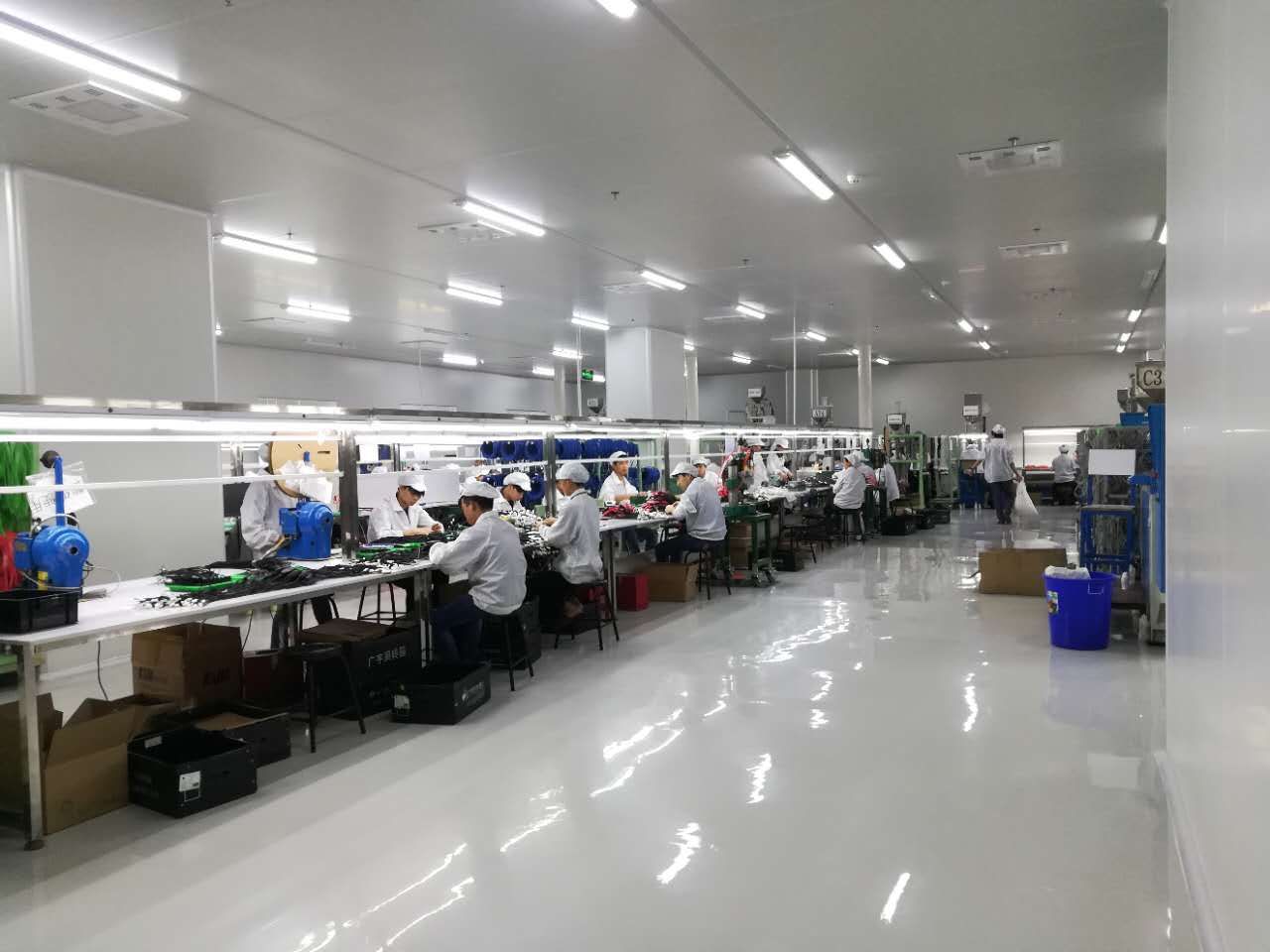
Build In Supply Chain Resilience From the Start
Geographic redundancy is easiest to design in before launch. Gii plans dual-sourcing and dual-region production into programs from the start, so a disruption in one place doesn’t stop your device — and your quality team gets a supply chain it can sign off on.
Sounds like you if…
- A single supplier or single region would be a point of failure
- Your quality team is asking for a dual-source plan
- Long-lead components threaten your launch schedule
- You want audit access to where your product is built
How Gii helps
- Dual-region production across Costa Rica and Asia
- Dual-sourcing strategies to eliminate single points of failure
- Multi-country component sourcing and supplier qualification
- Long-lead-time component management and buffer inventory
- Supplier audits and ongoing performance monitoring