Gii specializes in the cables and connectors that make energy-based medical devices function — across electrophysiology, ablation, electrosurgical, orthopedics, urology, and pain management — engineered for zero-failure performance and manufactured with a relentless focus on reducing your cost per unit.
Gii engineers and manufactures the cables and connectors inside medical devices — and our primary focus is finding the cost that's hiding in your assembly. Whether that's a branded connector that can be purpose-built for a fraction of the price, materials that are over-specified for your application, or supply chain complexity that can be simplified — our engineering team finds it, fixes it, and validates it to zero-failure standards.
Energy-based devices — electrosurgical units, RF ablation systems, microwave platforms, ultrasonic devices, and laser delivery systems — place some of the most demanding requirements on cables and connectors. High voltage, RF shielding, precise impedance matching, sterilization compatibility, and zero-failure safety standards all apply simultaneously. This is Gii's deepest area of specialization, and where our engineering team delivers the most consistent cost reduction.
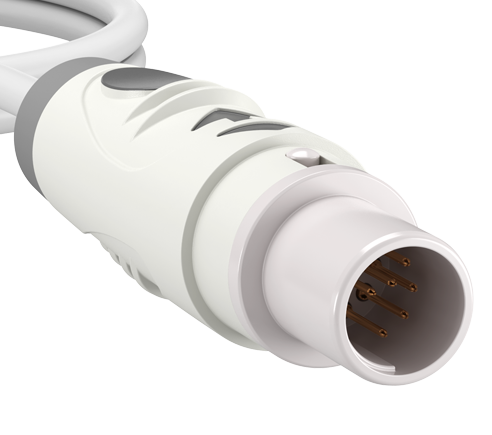
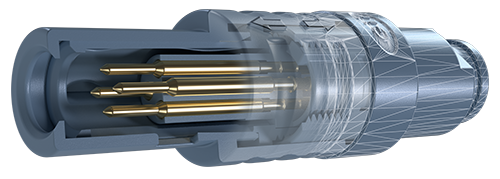
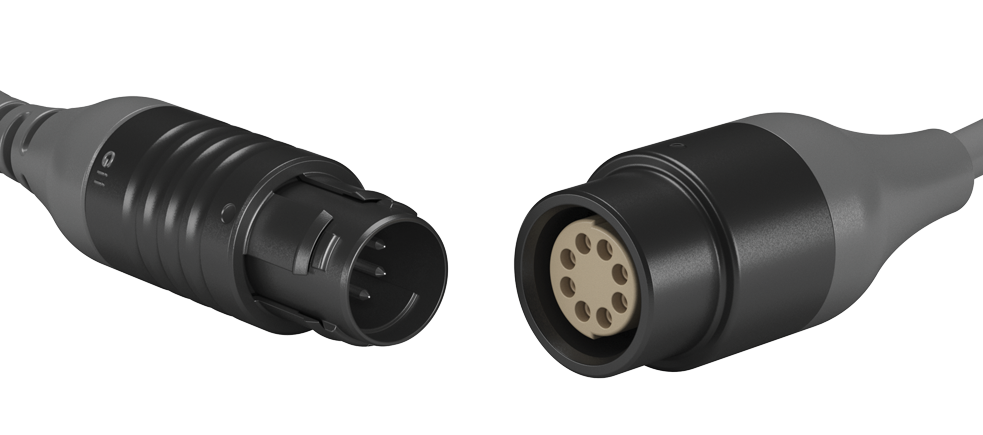
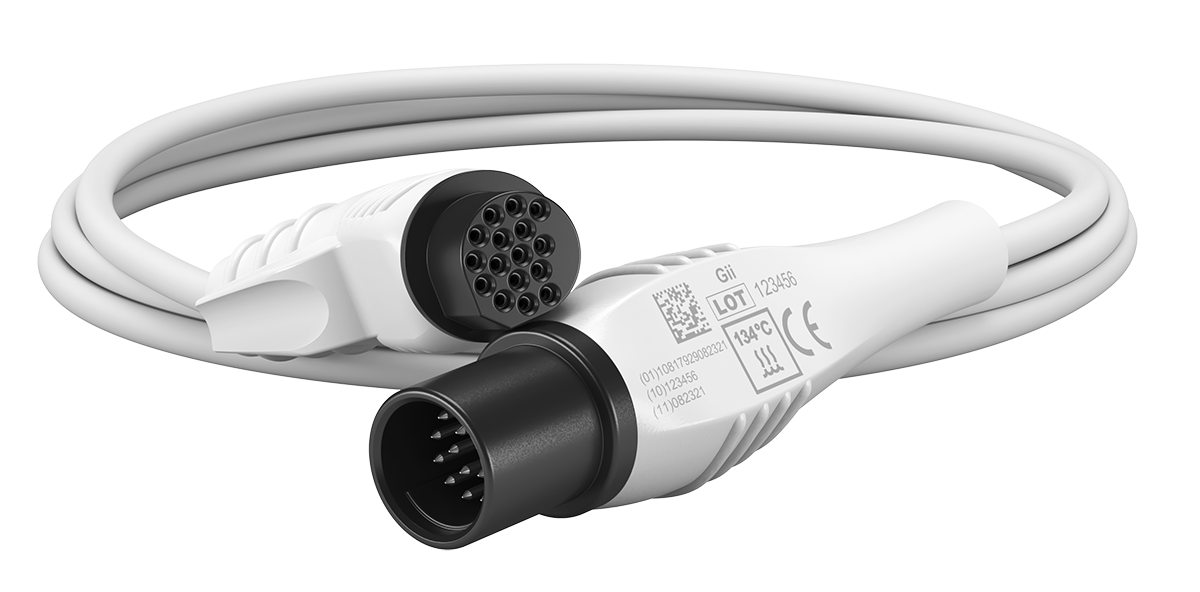
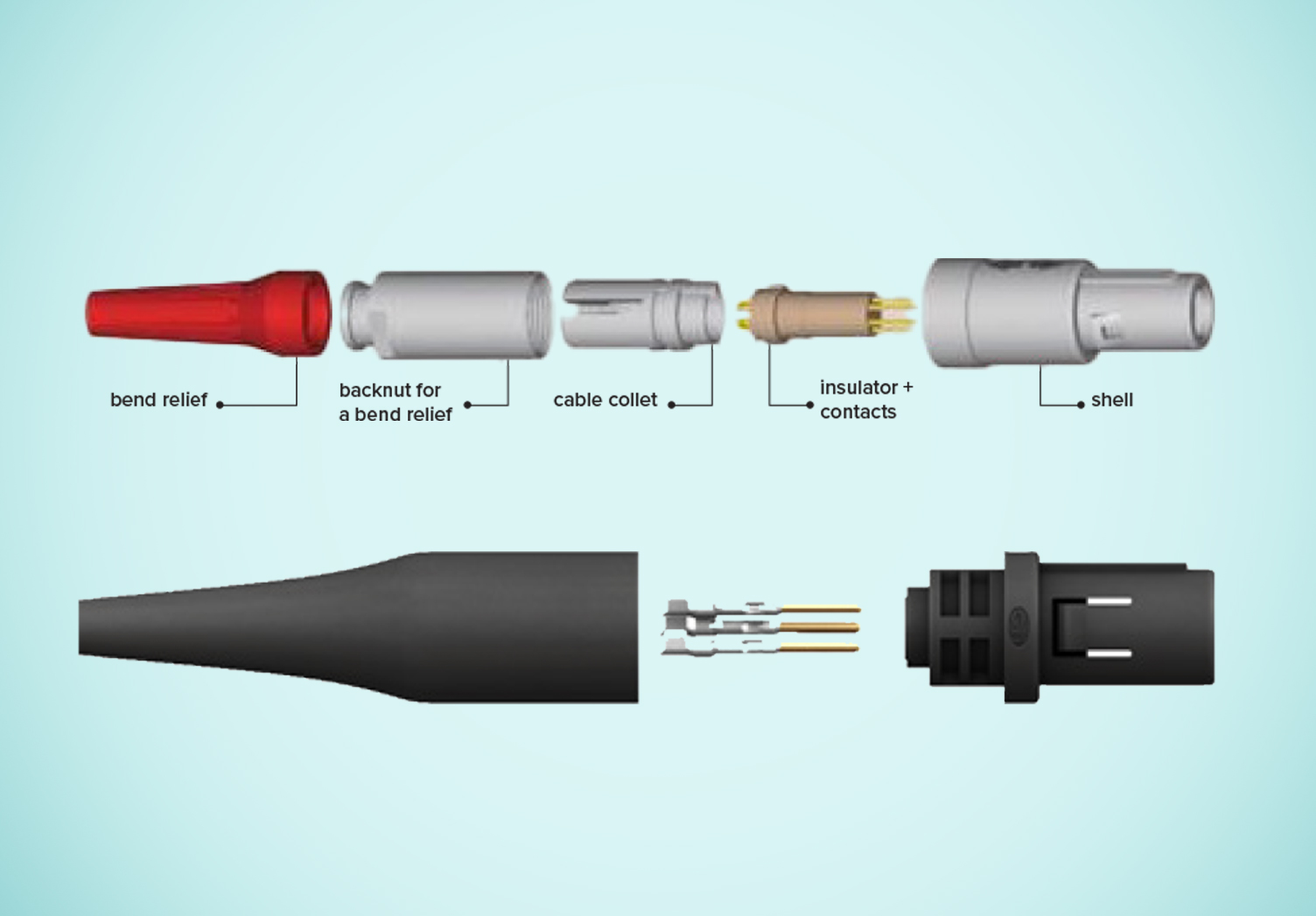
Expensive branded off-the-shelf connectors work — but they're priced for the brand, not the performance. If your device uses a premium push-pull connector simply because it was the easiest spec to write, you're likely leaving significant margin on the table at scale. Gii engineers purpose-built alternatives in push-pull, locking, non-locking, and breakaway configurations that match or exceed clinical performance at a fraction of the branded cost — with full drop-in compatibility where required.
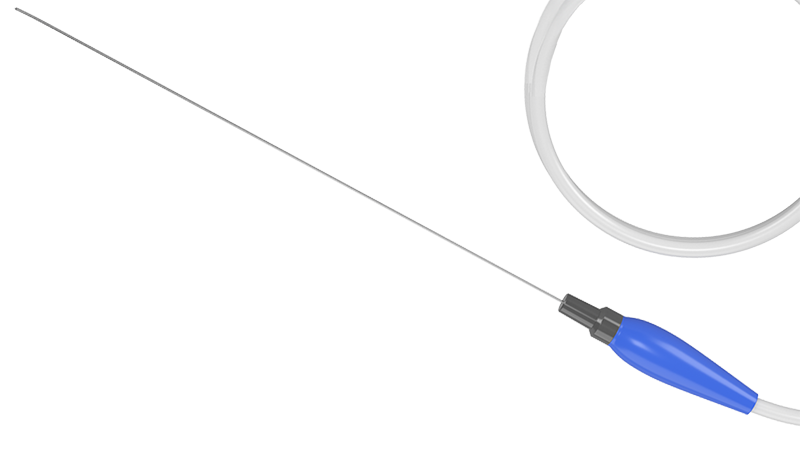
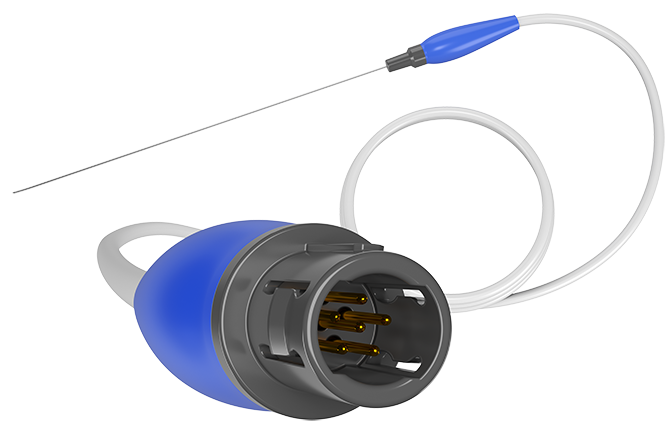
Ablation cables and connectors — across RF, cryo, plasma, and pulsed field ablation (PFA) — sit at the intersection of high voltage, precise signal integrity, and clinical safety — and the cost per unit compounds fast for single-use programs. From cardiac ablation in electrophysiology to ablation probes used in orthopedics, urology, and pain management, Gii has deep experience in the IEC 60601 compliance these assemblies demand, and our DFM engineers consistently find simplifications — connector configurations, insulation materials, contact count — that reduce per-unit cost without affecting the clinical outcome.
Electrophysiology catheters and cardiac ablation systems demand precise signal integrity, high contact counts, and uncompromising patient safety — usually across single-use, high-volume programs. Gii engineers the diagnostic and ablation cable-and-connector sub-assemblies inside EP devices, applying value engineering to high-density connectors and mapping cables without touching clinical performance or regulatory status.
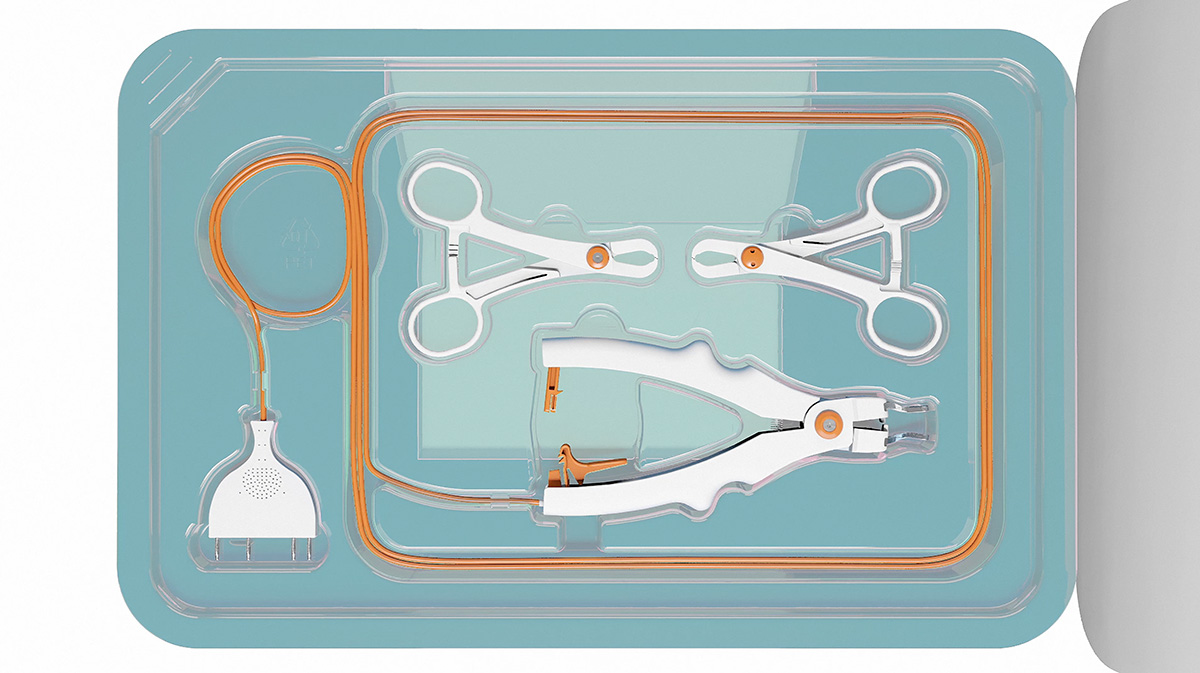
Electrosurgical generators, handpieces, and return-electrode assemblies carry high-frequency energy that places exacting demands on connector dielectric strength and cable durability. Gii designs custom electrosurgical cable and connector sub-assemblies — frequently replacing over-specified branded connectors with purpose-built alternatives — engineered to IEC 60601 and validated to zero-failure standards.
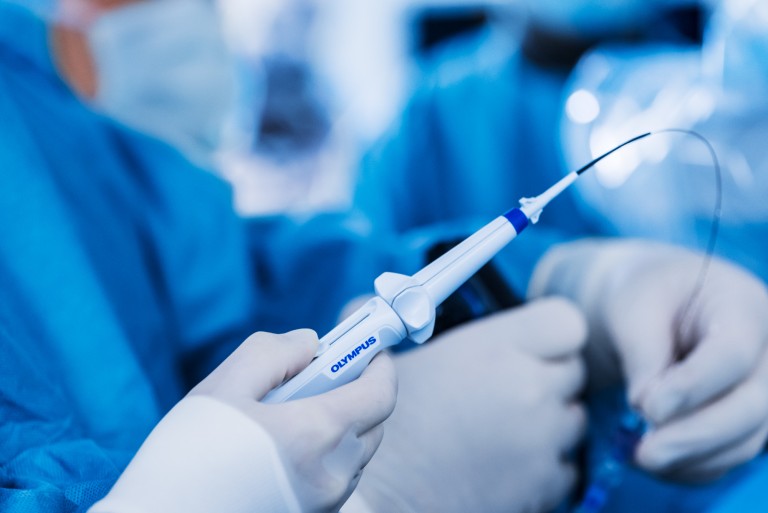
In colonoscopes, laparoscopes, and ultrasound probes, the cable and connector are frequently the highest-cost component in the assembly — and often the most over-specified. Gii engineers have deep experience in the signal integrity, flexibility, and sterilization requirements these devices demand, and apply rigorous DFM to identify where those specs can be met at meaningfully lower cost without compromising imaging quality or procedural safety.
Single-use RF ablation programs for interventional pain live or die on per-unit cost. Breakaway connectors, high-voltage insulation, and sterilization-compatible packaging all need to be engineered to single-use economics — not specified like a reusable device. Gii's engineers know exactly where the cost is in these assemblies, and how to remove it while keeping the high-voltage safety requirements that make the procedure viable.
Orthopedic and sports-medicine devices — arthroscopic shavers, RF ablation probes, imaging systems, and surgical handpieces — share a common cable and connector challenge: premium branded connectors specified during early design that become an ongoing cost burden at volume. Gii works with orthopedics OEMs to re-engineer those assemblies without touching the device's clinical performance or regulatory status.
Proven Result: Gii delivered $7M in cost savings for a $5B orthopedics OEM — reducing components from 6 to 2, suppliers from 3 to 1, and ramping production to 20,000 pieces per week. Read the case study →
Custom cable and connector assemblies for kidney stone management and urological endoscopy — precision irrigation, aspiration, and multi-lumen fluid pathway engineering paired with connectors built to minimize cost without sacrificing performance in demanding procedural environments.
Engineered wire, cable, and harness assemblies across the full spectrum of medical applications — single-use to reusable, shielded to coaxial, always 100% electrically tested. Our material optimization process ensures you're using the right conductor, insulation, and jacket spec for your application — not an over-engineered one that inflates your COGS.
A practical side-by-side to help you evaluate the right path for your program.
When standard solutions fall short of your requirements
When standard components can meet your needs
Gii's Recommendation: When in doubt, start with an engineering conversation. We'll help you evaluate cost, timeline, and regulatory implications — then recommend the best path forward, whether that's custom engineering or smart adaptation of existing standards.
Tell us about your device and where you are in development. Our engineers will help you define the right cable and connector approach — performance, compliance, manufacturability, and cost — before decisions get locked in.
Talk to Our Engineers